Book margin notes and the uses of forgetting
There is only one way to measure what is left after finishing a book: what I wrote in the margins. Years later what has changed is not the book but me.
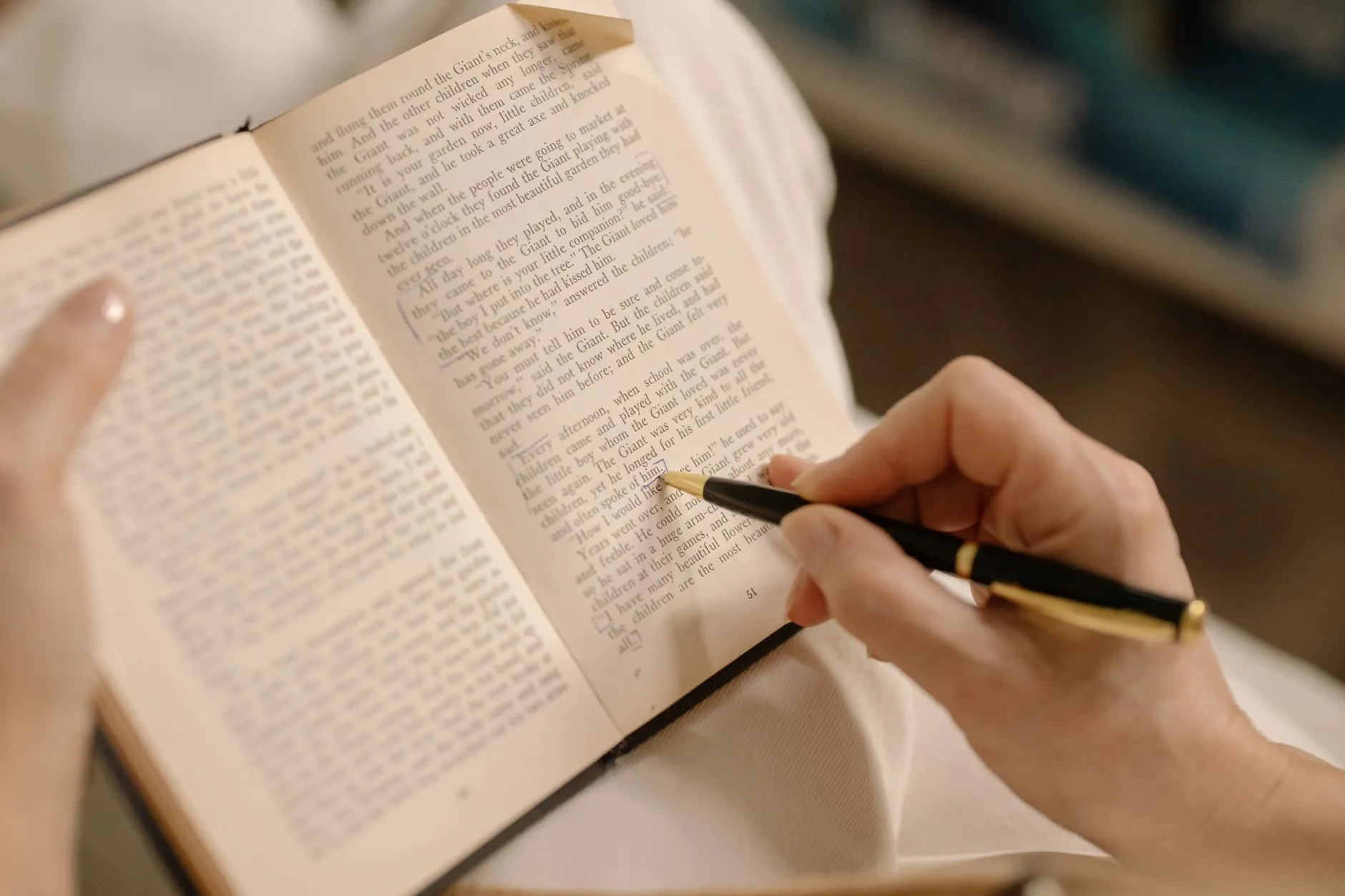
I write in the margins of my books in pencil: an objection, a question, sometimes just an exclamation mark. It feels more honest than underlining, because the underlined sentence belongs to the author and the margin belongs to me.
The same page, five years later
Last week I opened a novel I had read five years ago. I remembered none of the margin notes. But they were all consistent: I had been annoyed by the same characters in the same places. The book hadn't changed, and neither had my judgement of it.
In another book I met handwriting I didn't recognize. On the same page I had written the exact opposite. That kind of collision is the real return on reading.
Forgetting is what makes rereading possible
If I remembered everything, rereading would be pointless. Forgetting a book is the condition for reading it again. That is why the notes matter too: not to stop forgetting, but to see how much I changed once I had.
I wrote this piece in a margin as well. I won't say which book, because in five years I want to find it myself.
You've reached the end of the archive. Start from the beginning.
If you have an objection, get in touch.